A Spatial Archive of the Immigrant Experience
Incarceration, Domesticity, Labor, and Resilience
Designer + Builder
Individual
05.26
Spring 2026
M.Arch Thesis
Advisor: Malkit Shoshan
Harvard Graduate School of Design
Gund Hall
Cambridge, MA
The United States has been built by immigrant hands, railroads, fields, homes, and cities shaped by communities treated as essential and expendable, welcomed when needed and erased when convenient. Our labor is visible in infrastructure, but our lives are routinely made precarious through silencing, policy, and policing.
This thesis is personal. I arrived in the U.S. at seven and spent summers on construction sites with my father and, at times, cleaning houses with my mother, moving through spaces never designed for us. I learned architecture through the people who build and maintain everything while owning very little, and I carry that knowledge as both memory and method.
The project asks not whether immigrant communities exist in the built fabric, we are everywhere, but how we navigate, construct, and claim space within systems built to exclude, discipline, or extract and profit from us. Using auto-ethnography, spatial analysis, and archival research, including historical, cartographic, and audiovisual documentation, I trace where belonging is produced, denied, and improvised. The work treats architecture not as a cure, but as a platform to make these systems and our resilience visible.
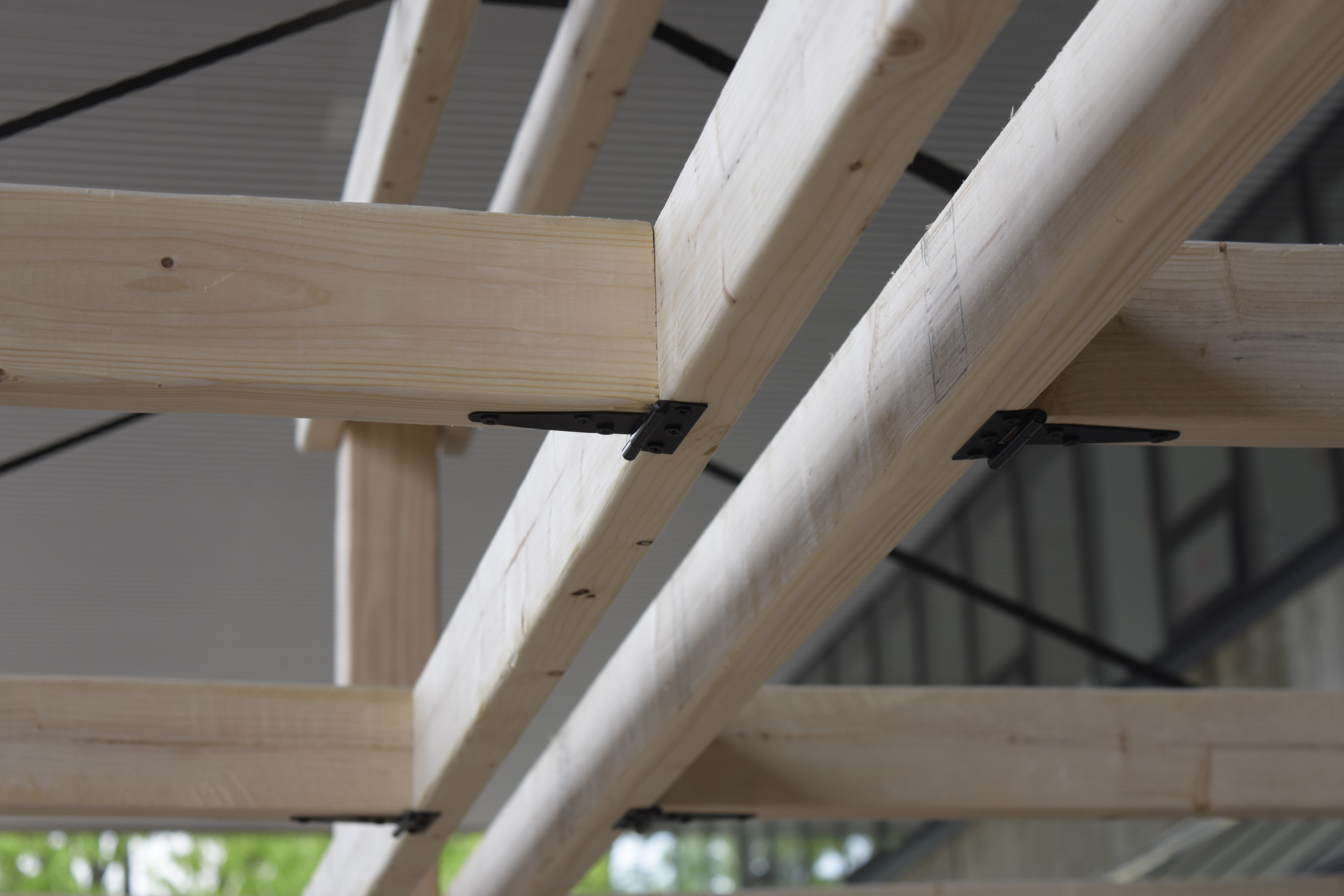
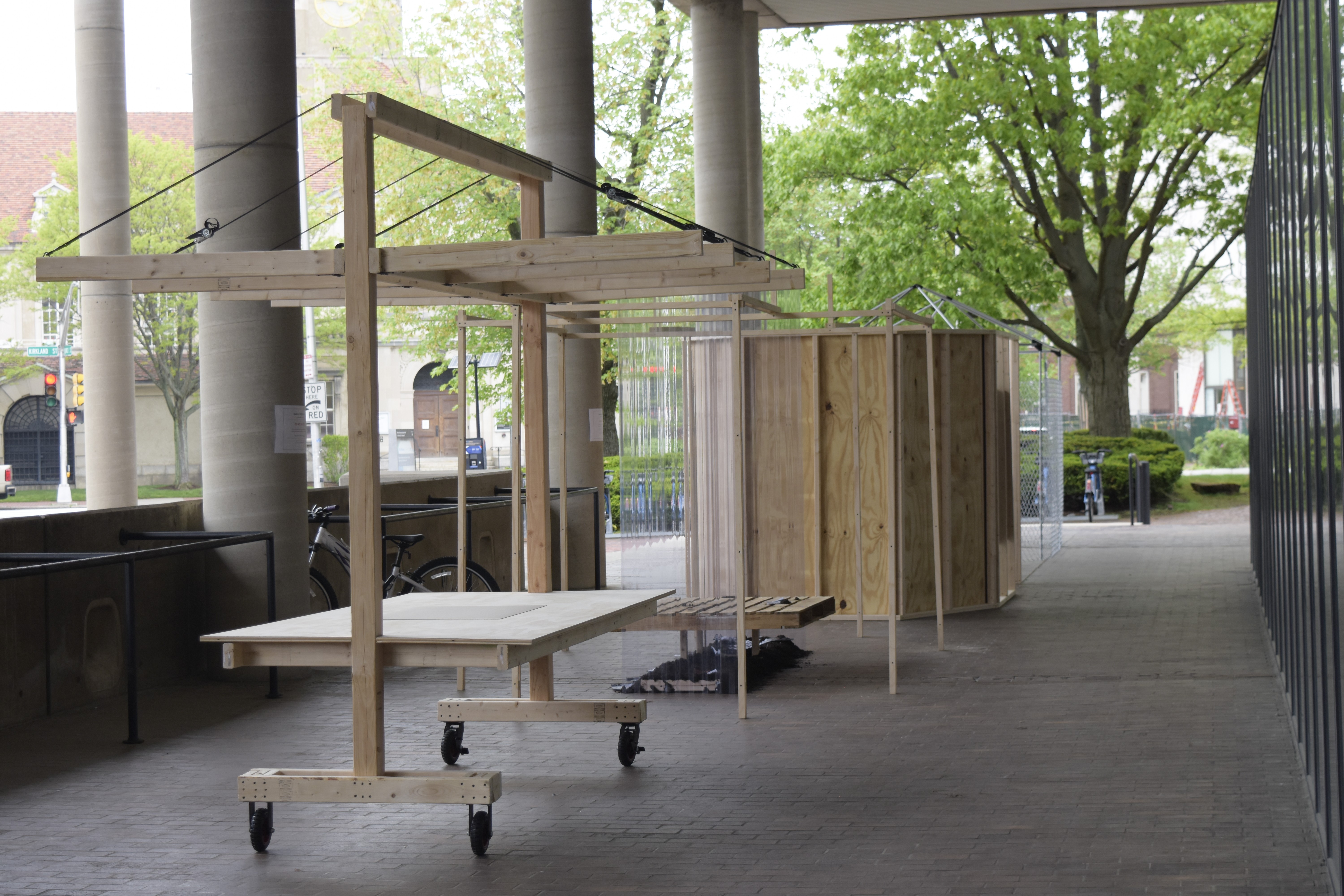
The response is a full-scale exhibition across four structures: The Frame (incarceration and detention as spatial control), The Domestic (building, care, cleaning, and repair inside the home), The Field (agricultural extraction, exposure, and toxicity), and La Mesa, a table like an altar, holding artifacts, testimony, and projections of gathering, dance, protest, and joy.
The built environment has long told our story without us. This thesis attempts to take it back.