Mitigation Through Generational Knowledge
Act 1 - Living with Water: Material Cycles and Ancestral Grounding
Fall 2025
Individual
STU 1307 - Anchoring Acts
Meriem Chabani
Congo Square
New Orlean, LA
Studio
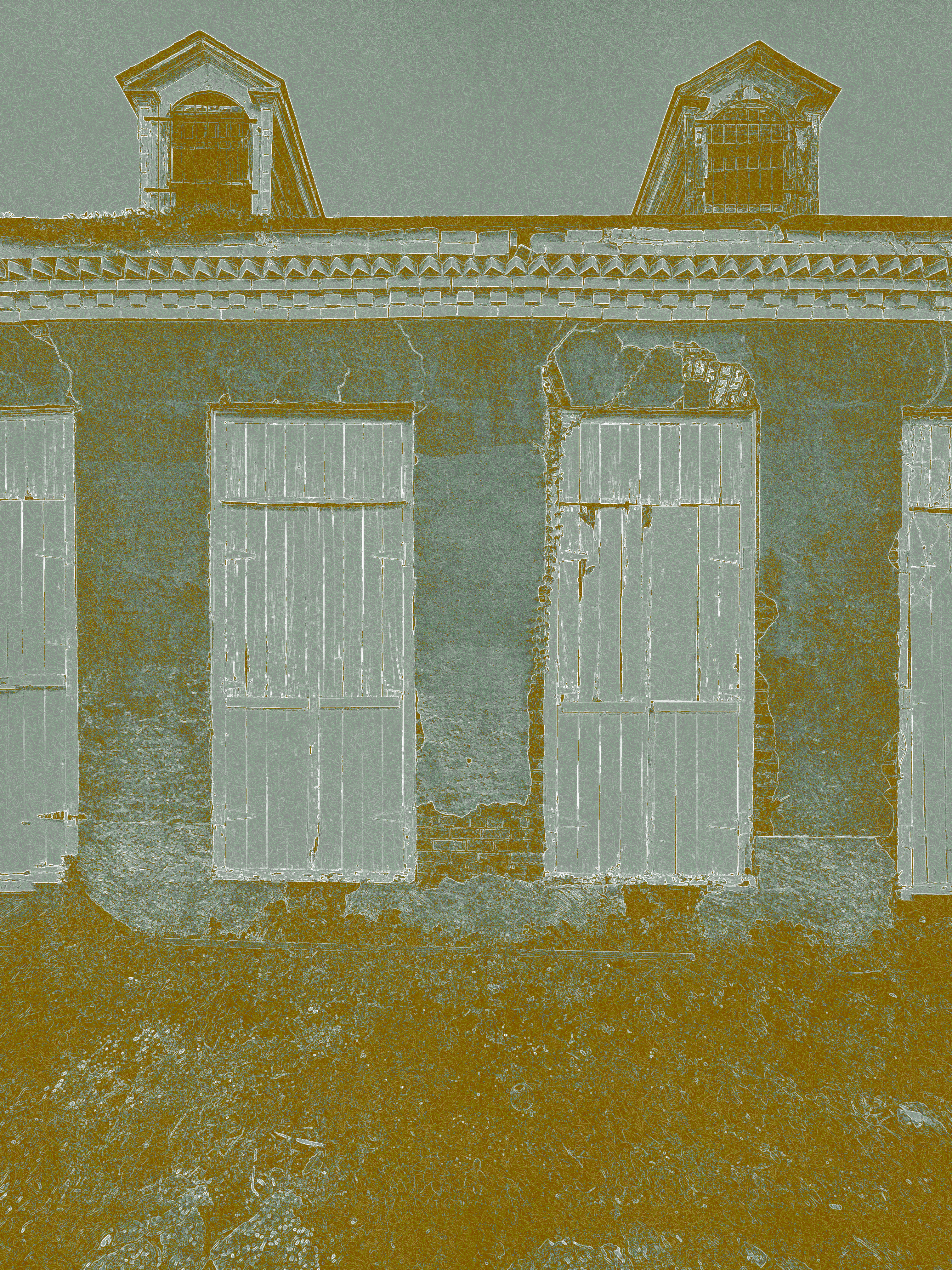
This project emerges from a Congo Square in New Orleans — a place marked by profound cultural significance, collective memory, and ongoing spatial neglect. The area reveals a layered condition: pride and resilience coexist with abandonment, decay, and the visible effects of environmental and social precarity. Rather than approaching the site as a fixed object, the project begins through wandering, observation, and close reading of adjacent vacant lots and existing homes, particularly examining the relationship between the built and the unbuilt, permanence and absence, and present occupation versus speculative futures.
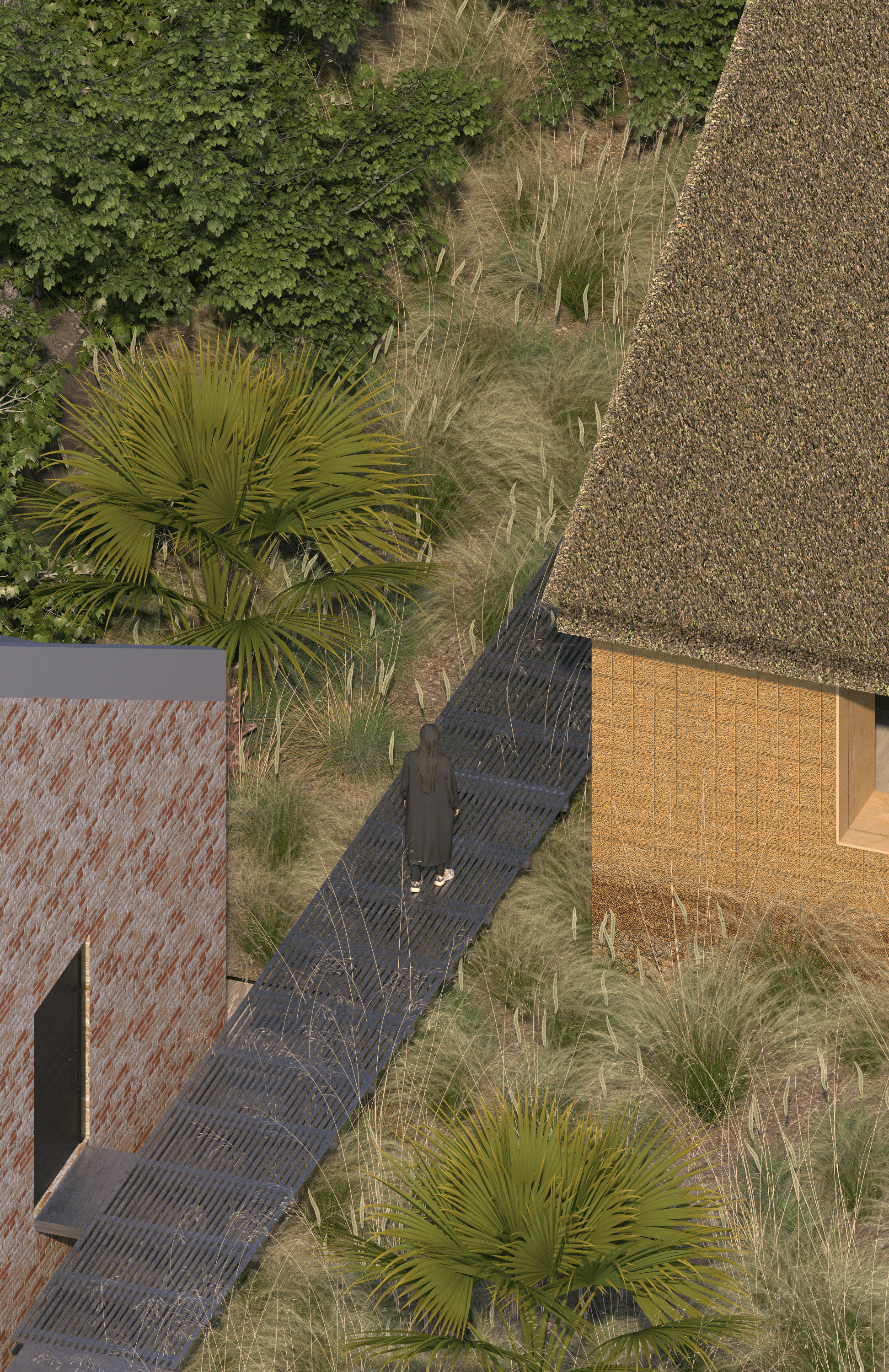
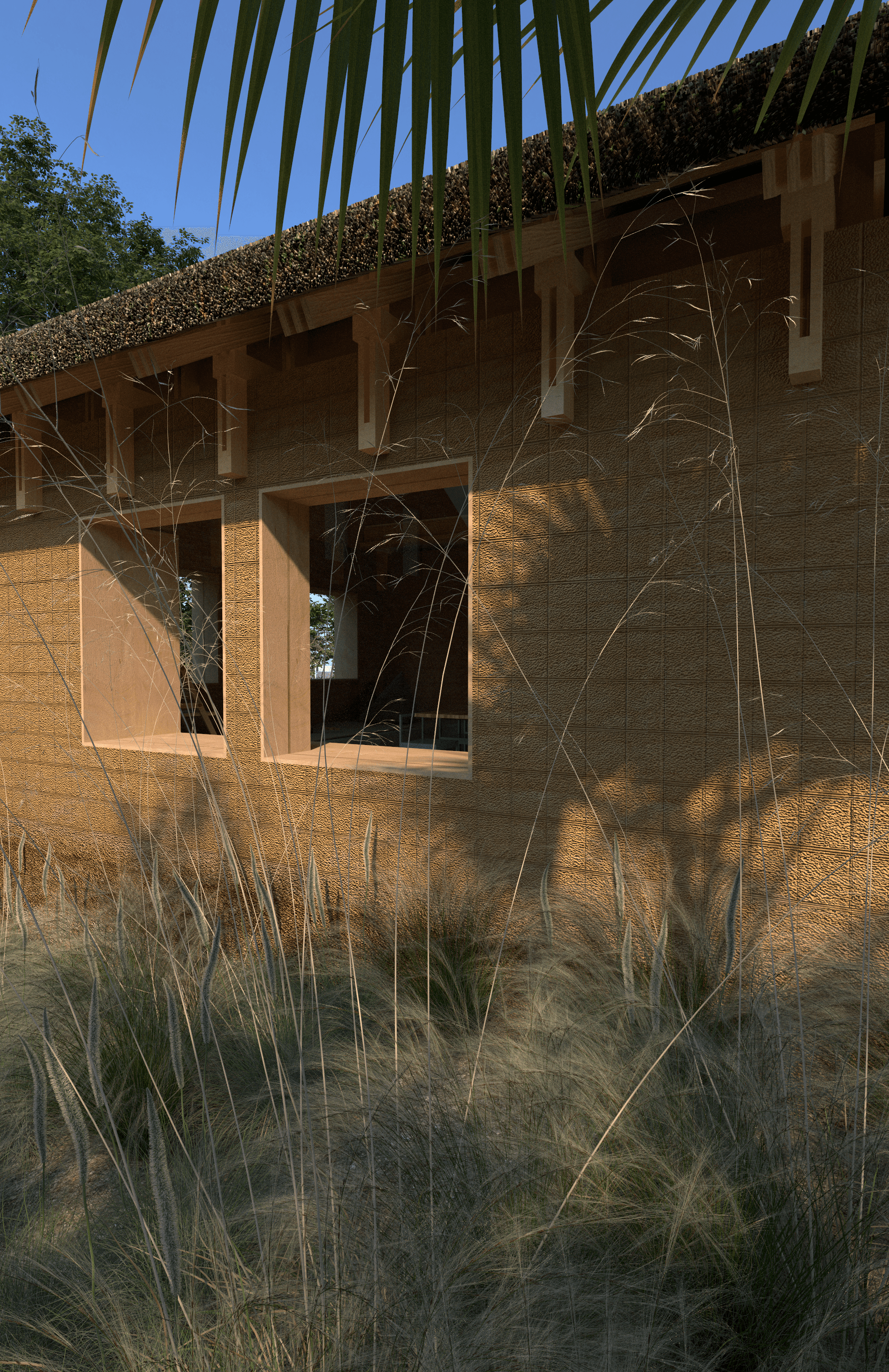
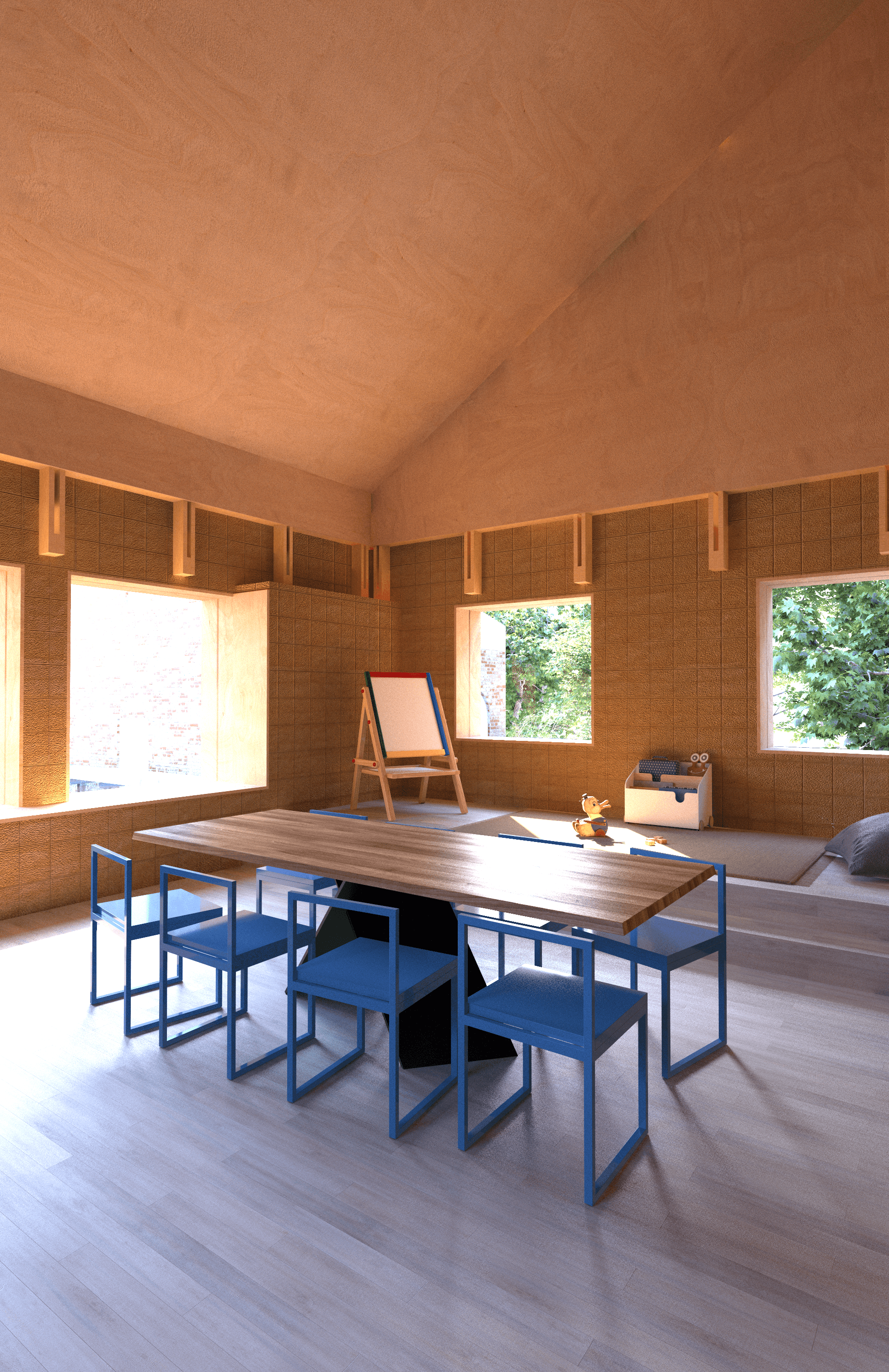
Ancestral Grounding and Material Cycles - The project draws inspiration from ancestral land practices along the Mississippi River, particularly earthen mounding traditions, referred to here as “dirt mountains” used to create elevation and mediate environmental conditions. These practices inform both site formation and architectural strategy, grounding the proposal in a lineage of Indigenous knowledge systems that understand land as adaptive and relational. This approach is reinforced through material choices that emphasize circularity and reuse. The design is introduced from the top down, beginning with a straw roof system that explores material temporality, resilience, and disassembly. Straw is treated as a renewable resource capable of returning to ecological cycles through reuse, mulching, or biofuel production.
Spatial Continuity and Architecture of Coexistence - Similarly, rammed earth walls are employed for their thermal performance, durability, and ability to be reabsorbed into the ground after their lifespan. Together, these materials establish a dialogue between architecture and soil, structure and landscape. Elevated floors create pathways across the site, mediating between old and new constructions while maintaining continuity with the ground. Variations in thickness, elevation, and enclosure generate moments of transition, from private sleeping quarters to communal gathering spaces, anchored by a central shared space that functions as both entry and collective threshold. Ultimately, the project proposes an architecture of coexistence: one that lives with water, material cycles, and historical memory rather than attempting to overwrite them.